

Your home’s drain system works quietly behind the scenes, carrying wastewater away from sinks, toilets, showers, and appliances. When it’s maintained properly, you rarely notice it. When it’s not, you’ll hear gurgling, smell sewer odors, or deal with slow drains and backups.
The good news? Most drain problems are preventable with simple, low-cost maintenance.
How the Drain System Works (Quick Overview)
A typical home drain system has three key parts:
- Drains & branch pipes – carry wastewater from fixtures
- P-traps – hold water to block sewer gas from entering the home
- Vent system – allows air in so water flows smoothly
Maintenance is about keeping water flowing freely and air pressure balanced.
1. Be Mindful of What Goes Down the Drain
🚫 Avoid these common drain killers
- Grease, oil, and fat (even “hot” grease)
- Coffee grounds
- Rice, pasta, and starchy food
- Eggshells
- “Flushable” wipes (they are not flushable)
- Hair and soap chunks
Best habit:
Pour grease into a container, let it cool, and throw it in the trash.

2. Flush Drains Regularly (Simple but Effective)
Once a week:
- Run hot water down kitchen and bathroom sinks for 30–60 seconds
- This helps wash away early buildup before it hardens
Once a month:
- Fill the sink halfway with hot water
- Pull the stopper and let it rush out all at once
→ The surge helps clear pipe walls
3. Clean P-Traps Before They Clog

P-traps are designed to catch debris, which also makes them clog-prone.
Signs your P-trap needs cleaning
- Slow draining
- Gurgling sounds
- Bad smells from one fixture only
Routine preventive cleaning is also recommended.
- Bathroom sinks: every 6–12 months
- Kitchen sink: every 3–6 months
This is one of the easiest DIY plumbing tasks and prevents most small clogs.
4. Use Drain Strainers Everywhere

Install strainers in:
- Shower drains
- Tub drains
- Bathroom sinks
They help catch hair, soap chunks, small debris. This alone can prevent 80% of bathroom drain clogs.
5. Keep Traps From Drying Out (Odor Prevention)
A dried-out P-trap is uncommon in most regularly used homes, but it can occur when a bathroom or fixture goes unused for an extended period. Infrequently used fixtures—such as guest bathrooms, basement sinks, or floor drains—can lose the water seal in the trap as the water slowly evaporates. Once the trap is dry, sewer gases can travel back through the drain and cause noticeable sewer odors inside the home.
Prevent this by:
- Running water in unused sinks and showers once a month
- Pouring ½ cup of water into floor drains occasionally
If a smell disappears after running water, the trap was dry—not clogged.
6. Avoid Chemical Drain Cleaners
Most commercial drain cleaners may seem convenient, but routine use can create more problems than they solve.
Why to avoid them:
- They can damage pipes over time, especially with repeated use
- Strong chemicals may weaken or melt PVC joints
- Residual chemicals make future repairs dangerous for DIY work or plumbers
- They often treat symptoms, not the root cause of the blockage
Safer and more effective alternatives:
- Boiling water to dissolve light grease buildup for Kitchen drains
(Kitchen drains only — kitchen plumbing is typically designed to handle high-temperature water from dishwashers) - Manual P-trap cleaning for hair and debris
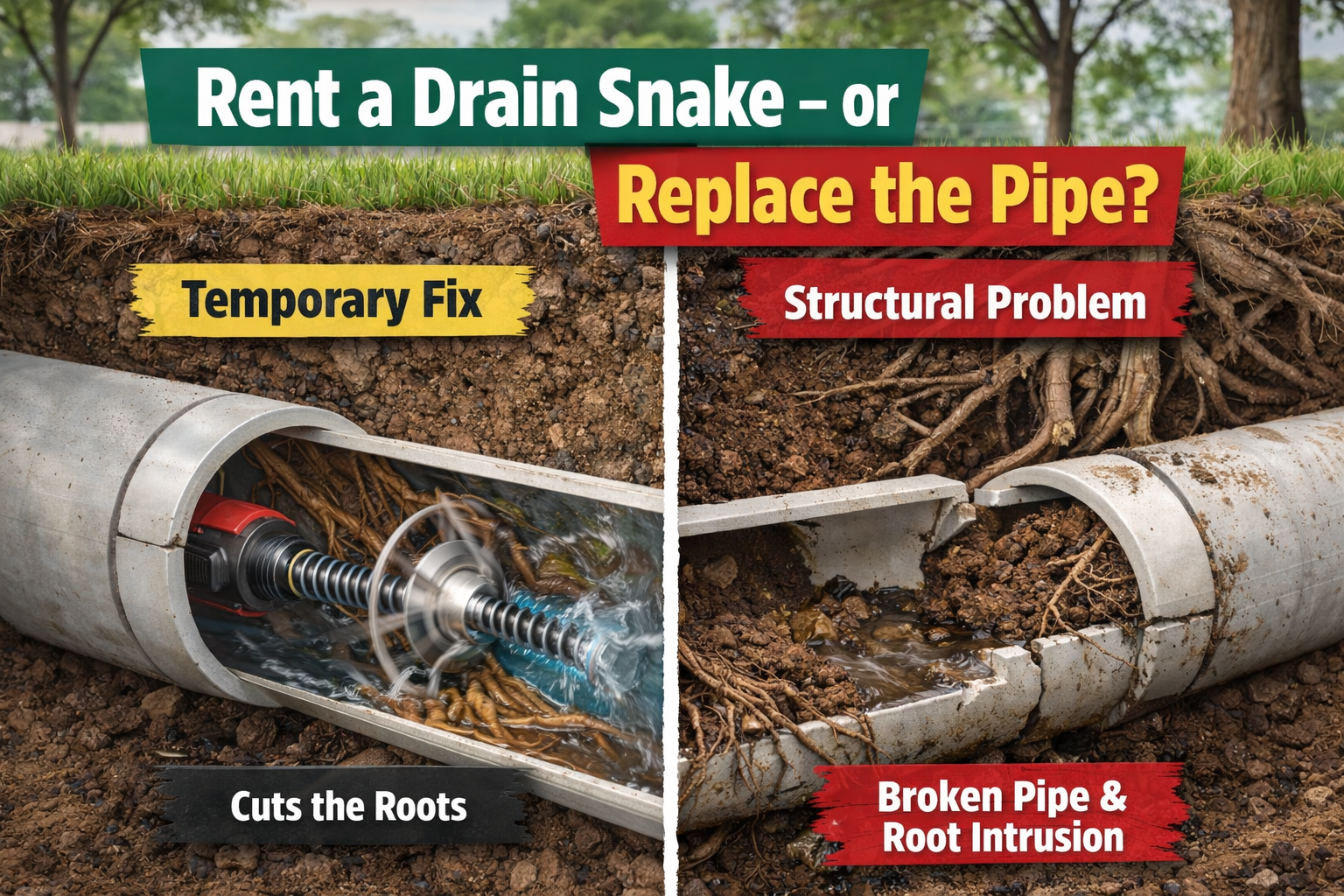
- Drain snake or auger to remove clogs mechanically
- Enzyme-based cleaners for monthly preventive maintenance
Limitations: These products work slowly and only break down light organic buildup. They are not effective for active clogs, hair blockages, mineral scale, or solid obstructions, and should not be relied on for emergency drain backups.
These options protect your plumbing, are more reliable long-term, and reduce the risk of hidden damage.
7. Watch for Early Warning Signs
Don’t ignore these symptoms:
| Symptom | What it often means |
|---|---|
| Gurgling sink | Vent or partial clog |
| Slow drains everywhere | Main line issue |
| Toilet bubbles when sink drains | Venting problem |
| Sewer smell indoors | Dry trap or vent issue |
| Repeated clogs | Buildup deeper in system |
Early action typically means cheaper fix.
8. Schedule Preventive Deep Cleaning (Optional but Smart)
For older homes or heavy use:
- Professional drain inspection every 2–3 years
- Main line snaking or hydro-jetting if recommended
This is especially useful before:
- Selling a home
- Renting out a property
- Remodeling kitchens or bathrooms
Simple Drain Maintenance Checklist
Weekly
- Hot water flush (kitchen sink)
Monthly
- Flush unused drains
- Clean strainers
- Inspect for odors or slow flow
Every 6–12 months
- Clean P-traps
- Check cleanouts if accessible
Remember to keep an eye out for any of the Early Warning Signs. A quiet drain is a healthy drain. The same applies to many other home components, like the toilet.
Most drain disasters don’t happen suddenly—they build up slowly.
A few minutes of routine maintenance can save you hundreds or thousands of dollars in plumbing repairs.

Leave a Reply