
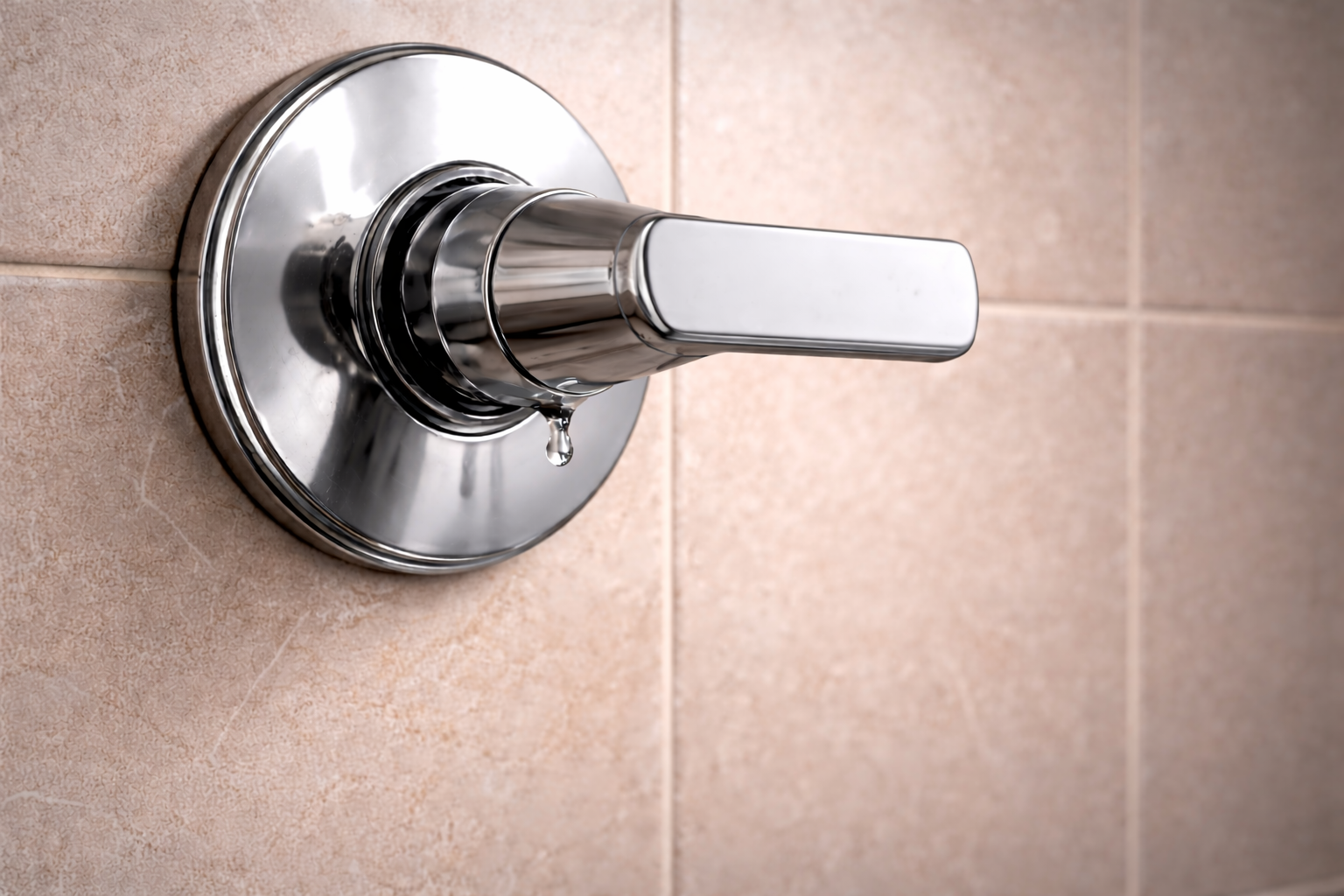
An intermittent water leak is one of the most frustrating plumbing problems a homeowner can face. One day there’s moisture, a stain, or a spike in your water bill. The next day—nothing. No dripping. No obvious source. No explanation.
These “come-and-go” leaks are real, common, and often more dangerous than constant leaks because they can quietly cause structural damage, mold growth, and rot before anyone realizes what’s happening.
This guide explains why intermittent leaks occur, where they usually hide, and how homeowners can detect them early—before calling a plumber or opening walls.
What Is an Intermittent Water Leak?
An intermittent water leak is a leak that only appears under certain conditions. It may stop entirely for hours or days, then return without warning.
Unlike steady leaks, intermittent leaks are usually tied to:
- Water usage patterns
- Pressure changes
- Temperature fluctuations
- Mechanical movement (valves, appliances, fixtures)
Because they don’t leak continuously, they are often missed during inspections and short plumbing tests.

Why Water Leaks Come and Go
1. Pressure-Triggered Leaks
Some leaks only occur when water pressure spikes—such as early morning, after irrigation cycles, or when valve closes quickly.
The short-lived surge can momentarily open a hairline crack, loose solder joint, or marginal compression fitting. When pressure stabilizes, the leak stops.
Daily pressure swings from the municipal supply are another cause. City systems often run higher pressure late at night or early morning when demand is low. Pipes or fittings that are fine during daytime use may seep only during these higher-pressure windows.
2. Temperature-Related Expansion and Contraction
Pipes expand when hot water flows and contract as they cool. Over time, this movement can loosen fittings or stress weak pipe sections.
These leaks often:
- Appear after hot showers
- Stop when pipes cool
- Leave stains but no active dripping
This is especially common in older copper plumbing and long pipe runs.
3. Appliance or Fixture-Dependent Leaks
Some leaks only happen when a specific appliance runs:
- Washing machines
- Dishwashers
- Toilets with slow internal leaks
- Ice makers or reverse-osmosis systems
If the appliance isn’t running, the leak disappears—making diagnosis tricky.
4. Failing Valves That Don’t Fully Seal
Angle stops, shower valves, and internal shutoff valves can partially fail. They may seal most of the time but leak intermittently when moved, pressurized, or vibrated.
This often causes:
- Moisture inside cabinets
- Random damp drywall
- Leaks that stop when fixtures aren’t used
5. Drain or Overflow Leaks (Not Supply Lines)

Not all intermittent leaks come from pressurized pipes. Leaks in drain lines could happen especially for older homes.
Drain leaks may only occur when:
- A tub or sink drains quickly
- A toilet flushes
- A washing machine discharges water
Because drains don’t leak constantly, these issues are often mistaken for roof or condensation problems.
Common Signs of an Intermittent Leak

Watch for these warning signs, even if no active leak is visible:
- Water stains that slowly grow, then stop
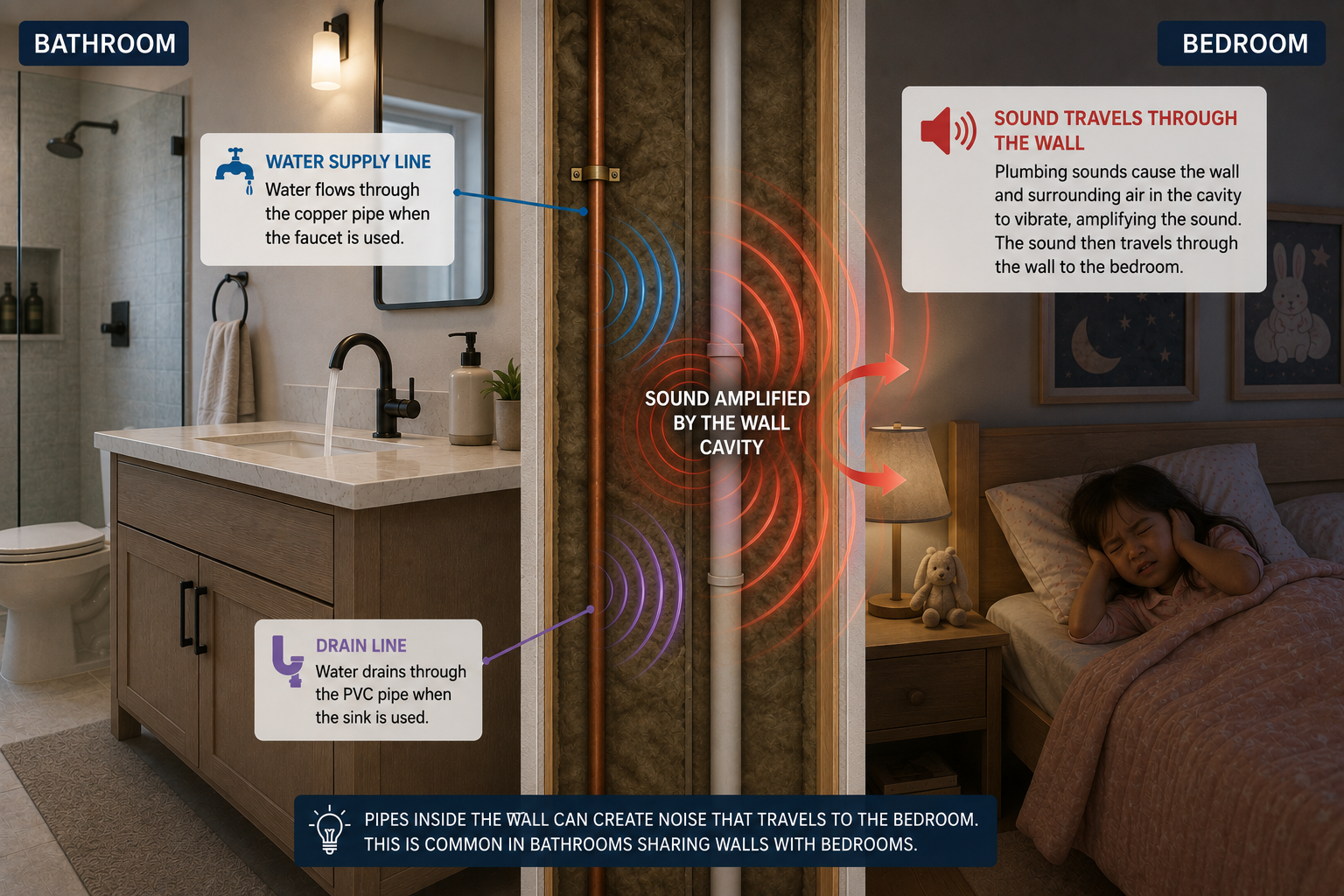
- Occasional sounds of dripping with no visible water – this can be often confused by the “dripping sound” from hot water line expansion, which tends to be more rhythmic and occur only when hot water is running or shortly afterward.
- Musty or damp odors
- Mold appearing without a clear source
- Warped baseboards or flooring
- Unexplained water-bill increases
If these signs come and go, an intermittent leak is a strong possibility.
How to Catch an Intermittent Water Leak
Step 1: Use Your Water Meter

Turn off all water fixtures and appliances. Check your water meter.
If it continues to move, water is escaping somewhere—even if nothing is noticeably dripping. For more details on the water meter test and water meter basics, please refer to another article Low Water Pressure in One Bathroom Only (Common Causes Explained).
One important caveat: this test should be repeated at different times of day to identify pressure-dependent leaks, which may only occur under certain usage or temperature conditions.
An alternative and often more practical method is to record the water meter reading before leaving the house for work, shopping, or other activities. Ensure that no water is used while you are away. Upon returning, take a second meter reading. Repeat this process over several days. Any unexplained change in the meter reading during periods of zero water use strongly suggests an intermittent leak somewhere in the system.
Step 2: Correlate Leaks With Usage
Keep a simple log:
- The time stains appear
- Which fixtures were recently used
- Whether hot or cold water was running
Patterns are often the key to finding intermittent leaks.
Step 3: Check Pressure
High or fluctuating water pressure makes intermittent leaks more likely.
Typical residential pressure:
- Ideal: 40–60 PSI
- Risk zone: Above 80 PSI
A simple screw-on pressure gauge is inexpensive and highly effective for diagnosis.
Step 4: Inspect Local Shutoff Valves and Fixtures
Look under sinks, behind toilets, and near appliances for:
- Corrosion
- Mineral buildup
- Damp cabinet floors
- Valves that won’t fully open or close
These are common sources of intermittent leaks.
Step 5: Document Before Calling a Plumber
Intermittent leaks may not appear during a short service visit.
Photos, meter readings, pressure measurements, and usage notes dramatically improve diagnosis and prevent unnecessary wall opening.
Why Intermittent Leaks Are Often Missed in Home Inspections
Standard inspections:
- Are time-limited
- Don’t stress systems under peak conditions
- Often miss pressure- or temperature-dependent leaks
This is why many homeowners discover leaks weeks or months after moving in.
When to Call a Professional
Call a licensed plumber if:
- The meter shows unexplained water usage
- Stains continue to grow
- Mold or structural damage is visible
- The leak source can’t be isolated
Leak-detection specialists can use acoustic tools, pressure testing, or thermal imaging to locate hidden intermittent leaks without major demolition.



Leave a Reply