
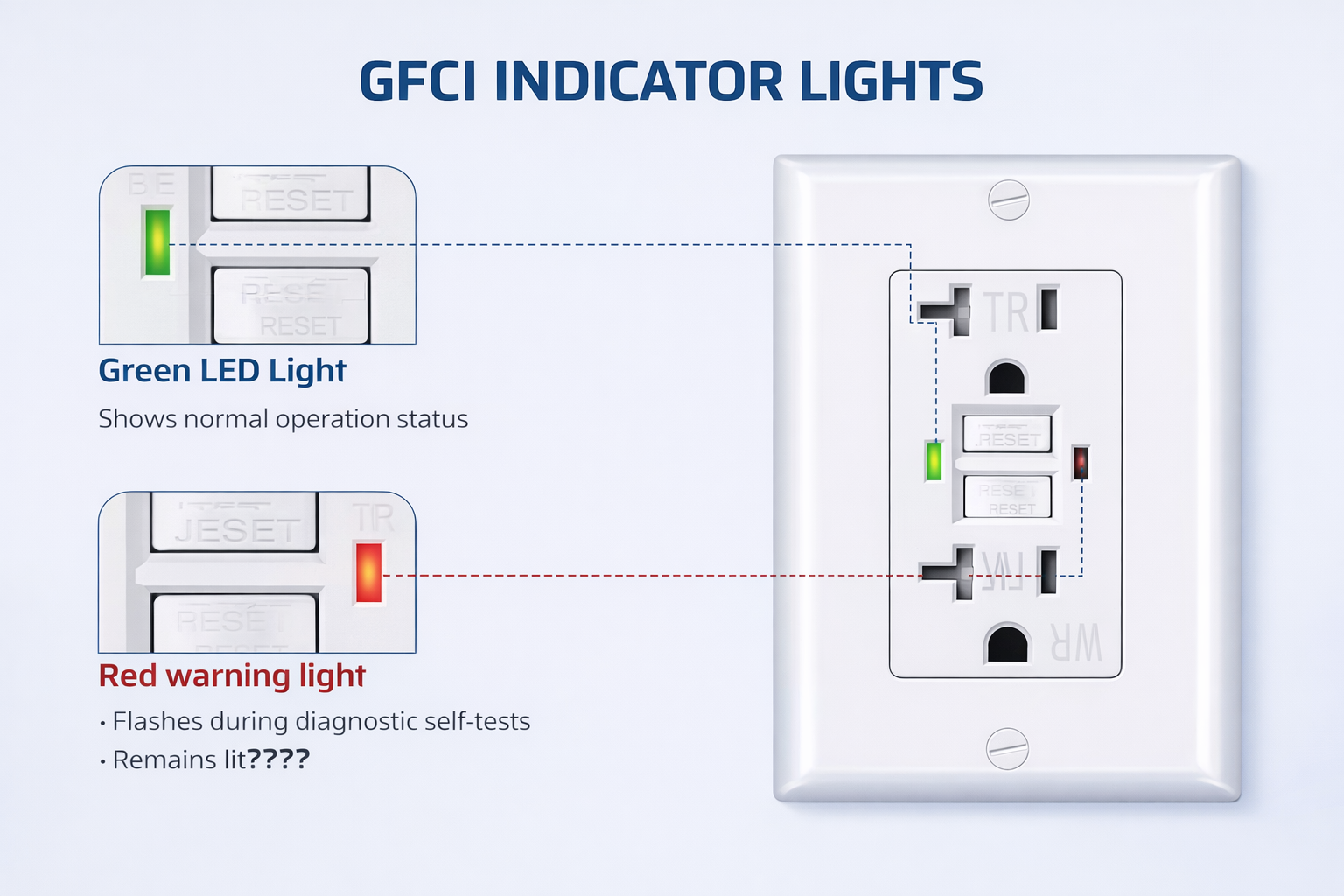
A GFCI outlet that won’t reset is more than a minor annoyance—it’s a clear signal that your electrical system’s built-in safety guard is actively blocking a potentially dangerous condition.
While it may feel like the outlet is broken, most of the time a GFCI is doing exactly what it was designed to do: prevent electric shock, fire, or electrocution.
If your Reset button won’t click back into place, this guide will help you:
- Diagnose the most common causes
- Fix safe, DIY-level issues
- Know when replacement or professional help is required
⚡ Quick Check: The “30-Second” Reset Attempt
Before diving into deep troubleshooting, try these three steps:

- Check the Breaker: Go to your main electrical panel. If the breaker is tripped (stuck in the middle), flip it “OFF” and then back “ON.” A GFCI cannot reset without active power.
- Unplug Everything: Remove every appliance plugged into that outlet and any other outlets “downstream” (nearby outlets in the same room and sometimes nearby rooms).
- Push Firmly: Use a bit of force. Sometimes the button requires a deep click to engage the internal latch.
✅ If the outlet resets now:
One of the unplugged devices is likely faulty. Plug items back in one at a time to identify the culprit.
❌ If it still won’t reset:
Continue with the troubleshooting below.
5 Common Reasons Your GFCI Won’t Reset
1. An Active Ground Fault (Safety Trip)
The GFCI detects “leaking” electricity. If current is escaping the wires—perhaps through moisture or a frayed cord—the outlet stays off to prevent fire or shock.
- The Culprit: Moisture from a recent rain (outdoor outlets), steam (bathrooms), or a faulty toaster/hairdryer.
- The Fix: Unplug all devices. If the outlet is damp, use a hairdryer on a “cool” setting to dry the face of the outlet and wait 24 hours before trying again.

2. Issues with “Downstream” Outlets
One GFCI often protects multiple standard outlets connected to its LOAD terminals.
A fault anywhere downstream can prevent the main GFCI from resetting.
For example, if a regular outlet in your garage gets wet, the master GFCI in the house will trip.
- The Fix: Check every outlet in the area. Ensure nothing is plugged in and no moisture is present in any of them.
3. Line and Load Wires Are Reversed (Common After DIY Install)
If the GFCI was recently installed and never worked, the wiring is often incorrect.
What went wrong
- Incoming power (LINE) connected to the wrong terminals
- Outgoing circuit (LOAD) swapped accidentally
What to do
- Turn off the breaker
- Remove the outlet
- Verify that incoming hot and neutral wires are connected to terminals marked LINE
⚠️ If unsure, stop here and call an electrician.
4. No Power Reaching the Outlet
A GFCI is an electronic device; it needs a “handshake” from the electrical panel to reset.
- The Culprit: A tripped circuit breaker, a blown fuse, or a loose wire connection behind the outlet could lead to loss of power supply to the GFCI outlet.
- The Fix: Reset the breaker. Check if the wires behind the outlet are actually “hot” using a multimeter or a voltage meter.
⚠️ High-voltage alert:
If you are not experienced working with live circuits, stop and call an electrician!

5. The GFCI Outlet Has Failed
Like any appliance, GFCIs wear out. They generally last 10 to 15 years, though high-moisture areas or power surges (like lightning strikes) can shorten that lifespan.
- The Fix: If the outlet won’t reset even with nothing plugged in and confirmed power at the input of the GFCI outlet, it suggests a faulty outlet and it’s time for a replacement.
When to Call a Professional
Electricity is dangerous. You should stop DIY efforts and call a licensed electrician if:
- The breaker trips immediately every time you hit “Reset.”
- You smell burning plastic or see charred marks on the outlet.
- The outlet feels hot to the touch.
- You’ve replaced the GFCI and the new one still won’t reset (this indicates a deeper wiring fault like a shared neutral).
Final Remarks
A GFCI outlet that won’t reset is rarely random. In most cases, it’s responding correctly to:
- Moisture
- A faulty appliance
- Wiring errors
- Or natural wear over time
With careful troubleshooting, many issues are safe and inexpensive to resolve—but knowing when to stop is just as important.



Leave a Reply